Shoe Dropshipping Suppliers UK: A Practical Guide
What UK footwear suppliers and Shopify retailers need to get right about sizes, stock, packaging, shipping, margins, and returns.
Catwalk Dropship Editorial Team
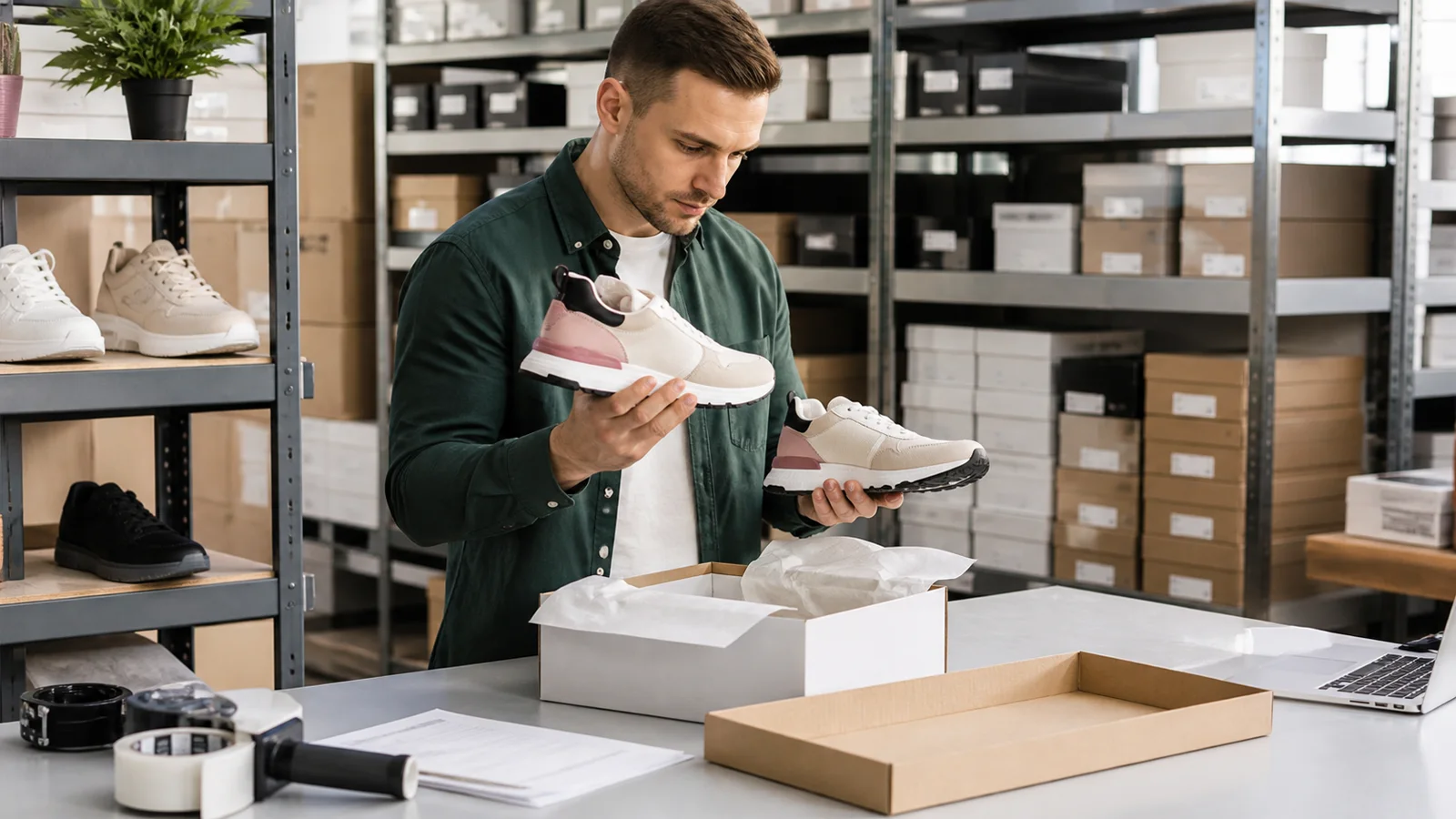
Shoes are an attractive dropshipping category because customers understand the product, retailers can build clear collections, and suppliers often hold a broad choice of sizes and colours. Footwear also exposes weak operations quickly. One wrong size, mismatched pair, damaged box, or inaccurate stock update can turn a promising order into an expensive return.
A strong UK shoe dropshipping relationship starts with variant control and a repeatable pair-check process. This guide covers the practical details for footwear wholesalers, manufacturers, and Shopify retailers.
The dropship opportunity for footwear suppliers
Many shoe wholesalers sell pre-packed size runs. That is efficient for trade orders but can exclude retailers that want to test one style or serve a broad online audience without holding every size. A single-pair channel lets the supplier reach those retailers while keeping pack wholesale as a separate offer.
Before opening a style to dropshipping, compare the additional pick, check, and packing cost with the single-pair margin. Start with footwear that is easy to identify, robust enough for parcel delivery, and supported by reliable stock data.
Treat every size and colour as separate stock
A stock total of 40 is not useful if nobody knows whether those units are size 4 black or size 8 tan. Each combination of style, colour, and size needs a unique SKU and its own available quantity.
- Use one consistent size system and state it clearly.
- Map supplier SKUs to the exact Shopify variants retailers publish.
- Remove damaged display pairs and incomplete pairs from available stock.
- Use a buffer when wholesale and dropship orders draw from the same shelf.
- Update stock after returns only when both shoes pass inspection.
Variant-level inventory is one of the core controls behind the Catwalk Dropship retailer workflow.
Footwear product data retailers need
A good listing should answer the questions a customer would ask in a shop. Include the upper, lining, sole, fastening, heel height where relevant, shaft measurements for boots, available colours, and care guidance. Avoid unsupported comfort, waterproof, orthopaedic, or material claims.
Fit information should come from evidence. If a style has been checked and genuinely fits small, say how that conclusion was reached. Do not apply a generic "size up" message to every shoe from a brand or factory.
Images should show both sides, the front, heel, sole, fastening, texture, and any important detail. The photographed colour and the variant name should match.
Create a pair-check at the packing bench
The picker should confirm the order SKU, printed size on both shoes, colour, left and right pair, visible condition, and box label before packing. For embellished or patterned styles, compare the pair for obvious differences.
- Scan or read the order SKU.
- Check the size marking inside both shoes.
- Inspect uppers, soles, fastenings, heels, and embellishment.
- Confirm that the correct pair is in the correct box.
- Protect the shoe box inside a plain outer parcel.
- Dispatch with tracking and update the order promptly.
Price shipping from the parcel, not the shoe
Shoe boxes take more space than many apparel parcels. Measure the packed box and check the carrier's size and weight rules before setting the shipping amount. Boots, platform shoes, and multi-pair orders can move into a different parcel band.
Retailers should include the real shipping amount in the product margin. A low wholesale cost does not compensate for a bulky parcel, frequent size returns, or replacement shipping.
Plan for fit returns before the first sale
Retailers need a clear customer returns policy, and suppliers need a clear trade process with the platform. Agree where approved returns go, who checks them, how quickly the result is reported, and what makes a pair unsellable.
Packaging matters here. Asking the customer to return the shoe box without an outer bag or carton often leads to labels and tape being placed directly on the retail box. Clear return instructions protect the product's resale condition.
How retailers can build a focused footwear range
Start with a purpose rather than dozens of unrelated styles. A capsule might focus on occasion heels, everyday trainers, summer sandals, or boots for a particular customer. Check whether the supplier has useful depth in the sizes your audience buys.
Order a sample of the styles you plan to advertise most heavily. Test the fit notes, photograph any details your customer needs, and experience the packaging and delivery. This gives your product page more original value than a copied supplier description.
Footwear launch checklist
- Unique stock and SKU for every size and colour.
- Accurate size system, measurements, materials, and fit evidence.
- Complete product images matched to each colour.
- Pair and condition check before dispatch.
- Protected shoe box inside plain outer packaging.
- Tracked delivery and an agreed returns inspection process.
- Retail margin tested after shipping and expected returns.
Footwear suppliers can apply to join Catwalk Dropship and discuss how existing size runs can be offered one pair at a time. Shopify retailers can create a retailer account, explore the catalogue, and review the publishing and fulfilment workflow.